Who Were the Puritans?
As I've talked to a lot of people about theology recently, I've noticed a misunderstanding in the church about who certain people in our history were, what they believed and what they taught. Specifically, the Puritans. They were not evil people, and they were not murderers. We're going to clear that up.
I'm no expert on this topic, and I'm not an authority on it at all. I'm simply pointing you toward people who do know what they're talking about, and giving you resources to do your own research. If I mess something up, please correct me. I should also say that many churches today do still have a correct view of the Puritans. This is mainly for those who don't.
What I want to look at
Who the Puritans were and who they were not; how they viewed the Scriptures, Christ, mankind and salvation; how their doctrinal views have affected us today; and why it's so important and helpful to study their works and understand what they taught.
Where to start
The best way to learn how the Puritans wrote and what they believed is to read the Puritans themselves, in their own words from their own pen. Three places to start:
- A Way to Pray by Matthew Henry. Henry was a Puritan, and in that review I give more about who he was and what he believed.
- A Guide to Prayer by Isaac Watts. Another excellent book, and another great place to start if you're new to the Puritans.
- Any J. C. Ryle book. Ryle isn't a Puritan; he's not of that era. But he was heavily influenced by the Puritans and quotes many of them throughout his works. He's much easier to read, more modern English and less academic, so he's a great place to start if you're new to theological reading. He even wrote biographical pieces on some of the Puritans. I always recommend Ryle for anything. He's my hero. (See our Ryle Resources.)
Books I planned to look at in this series
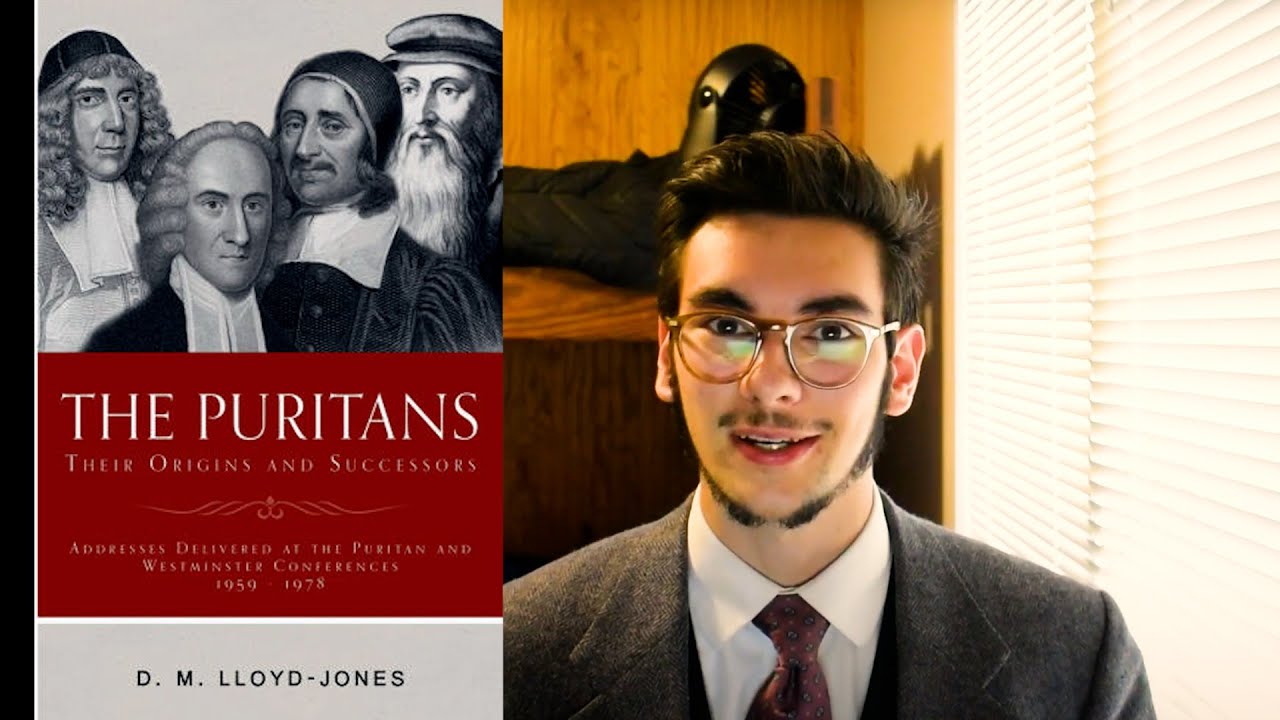
- The Puritans: Their Origins and Successors by Martyn Lloyd-Jones. A great introduction: biographical, doctrinal, anything you could want to know about the Puritans in one book, about 450 pages. (My notes on it are here.)
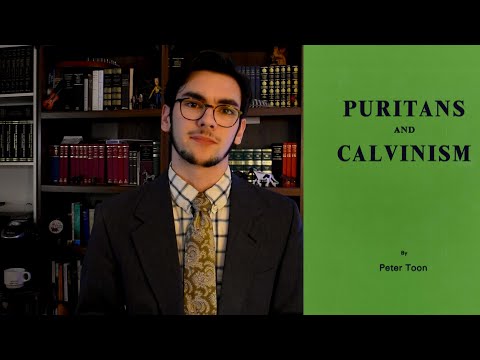
- Puritans and Calvinism by Peter Toon. More of a historical work. (My review is here.)
- Puritan works themselves, especially The Pilgrim's Progress by John Bunyan. Not everybody realizes a Puritan wrote that book, and it can surprise people, because the book is so famous. (My notes are here.)
- The Institutes of the Christian Religion by John Calvin, the 1541 edition translated from the French. It's an easier and shorter read, and it takes us one historical step further back, to what the Puritans themselves built on.
If you have suggestions for other books that would help, please leave them in the comments on the video. My prayer is that by the time we're finished, you'll see who the Puritans really were.
Soli Deo Gloria!