A Christian Manifesto by Francis Schaeffer Review
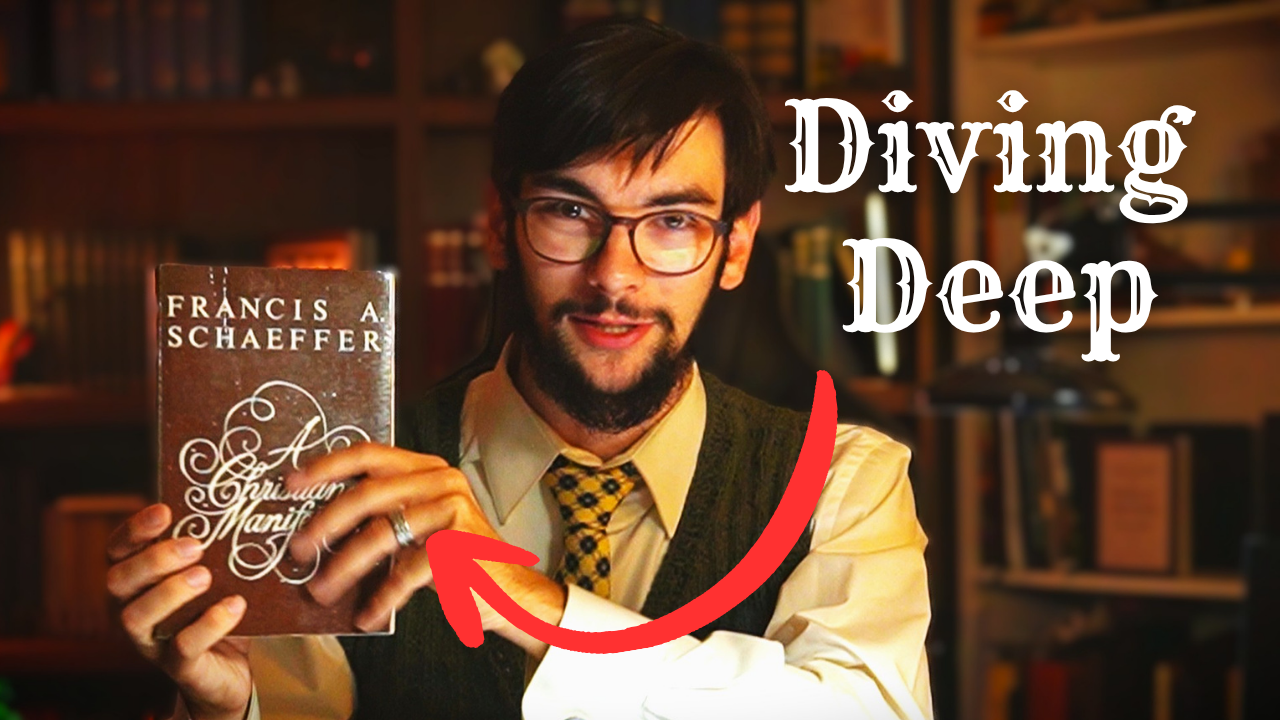
I've talked about this book before, but I've never given it a proper review, so today I want to go back to Francis Schaeffer's A Christian Manifesto. (Since then, we've gone through it chapter by chapter in our class on Schaeffer.)
The book and the author
My copy is an older edition, a 1982 paperback from Crossway, printed in the USA: 138 pages, 157 with notes and index. Newer editions may differ.
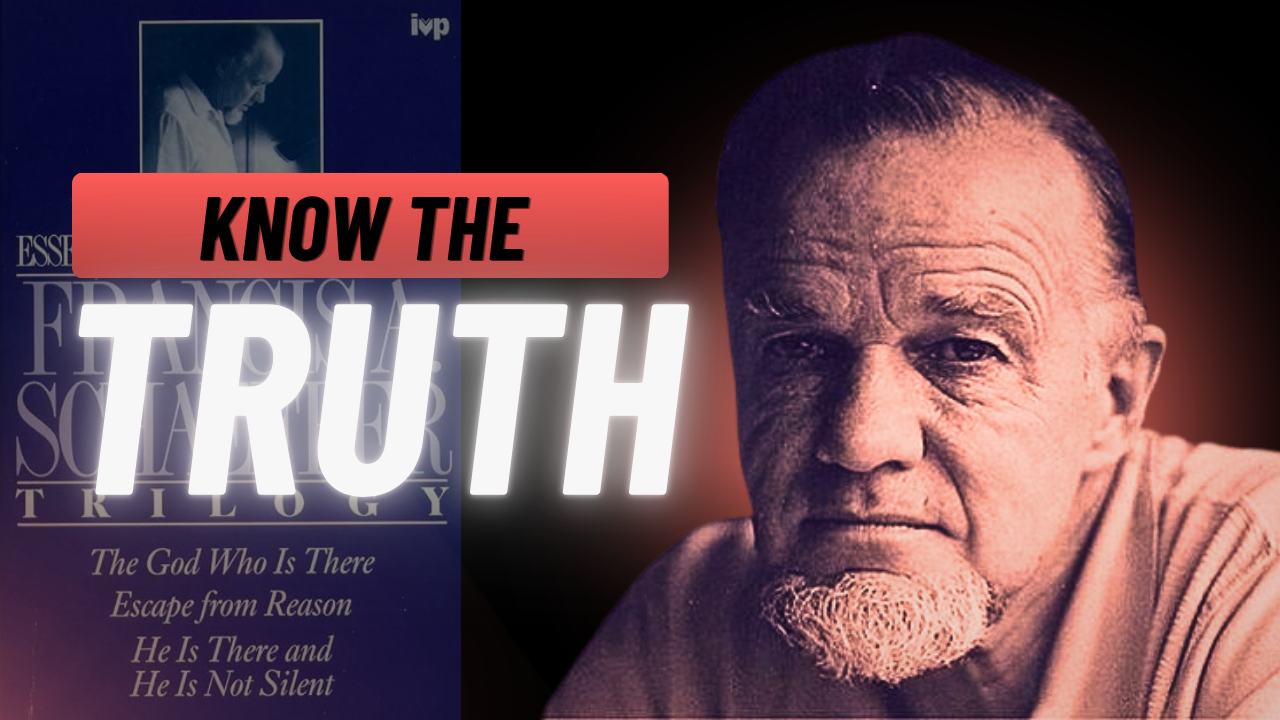
Francis Schaeffer was born on January 30, 1912, and died on May 15, 1984. He was raised in Germantown, Pennsylvania, of German and American descent. After graduating from Hampden-Sydney College, he enrolled at the brand-new Westminster Theological Seminary and studied under Cornelius Van Til and J. Gresham Machen. In 1937 he transferred to Faith Theological Seminary, graduating in 1938. He was briefly associated with the Orthodox Presbyterian Church but left for the Bible Presbyterian Church, where he was the first ordained minister. He received at least four honorary doctorates. He was a Presbyterian presuppositionalist pastor, theologian and philosopher, husband to Edith, and father of four, and he died of cancer in 1984 at 72.
What it's about
A Christian Manifesto focuses on tyranny, government overreach, freedom of faith and speech, and the Christian's response to them. The chapters: The Abolition of Truth and Morality; Foundations for Faith and Freedom; The Destruction of Faith and Freedom; The Humanist Religion; Revival, Revolution, and Reform; An Open Window; The Limits of Civil Obedience; The Use of Civil Disobedience; The Use of Force; and By Teaching, By Life, By Action.
Are there better books on this topic?
I haven't read every book, but the only one that comes to mind dealing with the same themes is Animal Farm, and that's for any citizen, whereas this is for Christians.
Would I buy it?
Yes. It's a must-read for every believer. I feel that if Christians had really paid attention to Schaeffer when it was released, we would have avoided a lot of the pain and misery we're dealing with now.
A few things I marked
- Overly spiritualized Christianity (p. 63). Schaeffer says evangelical leadership has often shown the mark of a "platonic," overly spiritualized Christianity. Its spirituality hasn't included the lordship of Christ over the whole of life, and too often its final aim has been to protect its own projects. How relatable is that today? So many churches don't want to deal with anything. They're just ooey-gooey and mushy.
- Don't take freedom for granted (p. 71). What we carelessly take for granted will be lost. We have freedom of speech (almost), Bibles, and open, free worship. Ryle speaks of this a lot too: don't take spiritual privileges for granted. We all do, all the time, and we will lose them.
- The state under God's law (pp. 90–91). Civil government, like all of life, stands under the law of God. God has given certain offices to protect us from the chaos of a fallen world, but when any office commands what is contrary to God's Word, those who hold it abrogate their authority and are not to be obeyed. The state is a delegated authority, not autonomous, an agent of justice to restrain evil and protect the good (Romans 13:1–4). When it does the reverse, it has no proper authority; it becomes lawless, and that's tyranny. Fellow believers, that's what we see today.
- The duty to disobey (p. 93). At a certain point, Schaeffer says, there is "not only the right, but the duty to disobey the state." In the last couple of years we were told we have no right to go against the government. Building on Samuel Rutherford's Lex Rex, Schaeffer argues we actually have a moral obligation to stand against tyranny. The early Christians weren't disobeying God's law by resisting the tyranny of their time; they were obeying it. William Tyndale held to the supreme authority of Scripture over church and state, evaded the authorities for years, and was executed on October 6, 1536. John Bunyan was arrested three times for preaching without a license and refusing to attend the Church of England, and spent twelve years in jail, where he wrote The Pilgrim's Progress. Why? Because you must stand up for the law of God.
- Rutherford on tyranny (p. 100). The state is to be administered by the principles of God's law, and acts contradicting it are illegitimate, acts of tyranny: ruling without the sanction of God. Think how that applies today: homosexuality, transgenderism, viruses. Rutherford held that since tyranny is satanic, not to resist it is to resist God, and to resist it is to honor God. And since rulers are granted power conditionally, the people may withdraw their sanction when the conditions aren't met. That's consistent with Romans 13.
- Force (p. 117). The Christian isn't to take the law into his own hands. But when all avenues of flight and protest have closed, force in a defensive posture is appropriate.
- The sentence to meditate on (p. 130). Schaeffer asks us to read it most thoughtfully: if there is no final place for civil disobedience, then the government has been made autonomous, and "put in the place of the Living God." I could meditate on that for a very long time. God's law is the only thing we may never disobey. If there's no place to disobey the government, the government has become god.
- The book closes with Revelation 3:2: "Wake up, and strengthen what remains and is about to die, for I have not found your works complete in the sight of my God."
Not a very uplifting ending! But the book is so right on so many things, even things we'd like to deny. We need the truth, we need to be willing to stand up for it, and even to lay our lives down for it. This book captures that, and it motivates you.
Soli Deo Gloria!