Communion: The Blessing Every Christian Needs to Understand
A couple of weeks ago I asked on the channel how often your church takes communion: once a week, once a month, every quarter, maybe never? Someone commented, "What even is communion?" So here's an answer. We'll read Scripture and get a definition from it, look at the warning to those who partake unworthily, then the blessings to believers who partake faithfully, and finally what it means for your daily walk with the Lord.
What is communion?
As with every doctrine, we start with Scripture. 1 Corinthians 11:23–26:
The Lord Jesus on the night when he was betrayed took bread, and when he had given thanks, he broke it, and said, "This is my body, which is for you. Do this in remembrance of me." In the same way also he took the cup, after supper, saying, "This cup is the new covenant in my blood. Do this, as often as you drink it, in remembrance of me." For as often as you eat this bread and drink the cup, you proclaim the Lord's death until he comes. (ESV)
A few things to notice:
- Christ commands His followers to continue this meal. That makes it a sacrament, or ordinance.
- Christ invites His disciples to partake. He didn't eat and drink by Himself; He gave it to His followers and said, "Partake of this meal with Me." As fellow disciples, we get to take this meal with Christ just as they did.
- We commune with Him. That's where the word communion comes from: as we partake, we commune with Christ, with God.
- It's visible, real and tangible. Every Sunday we hear the Word preached. In the Supper the Word comes to us in a form we can touch and taste. You could almost call it a sermon in itself.
So this isn't only a memorial service, something we do merely in remembrance. It's true communion and fellowship with Christ, who is really and spiritually present.
Who is welcome at the table?
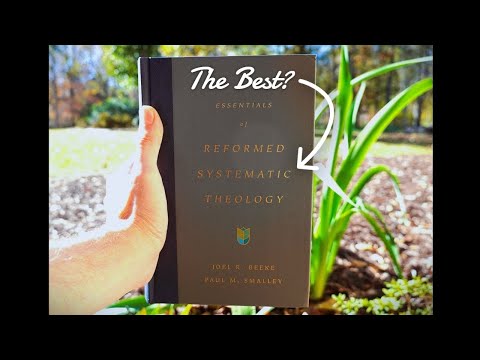
Can just anyone come? The short answer is no. Joel Beeke, in his new Essentials of Reformed Systematic Theology (p. 791), says the Supper is only for believers seeking Christ's grace as members of His church, in the fear of God. Christ gave it to His disciples (Matthew 26:26); sharing one bread is a sign of being one body in Christ (1 Corinthians 10:17); and each communicant must examine himself (1 Corinthians 11:28). So the church's officers should "fence the table," keeping away the very young, the ignorant, the unconverted and uncommitted, the wicked, the unbelieving and the irreverent.
If you're on that list, don't come to the Lord's Table. Instead, pray that the Lord would send His Spirit upon you, that He would regenerate you if you aren't saved and sanctify you if you are, and change your heart, so that you can rightly partake. You don't want to take the Supper unworthily: "Whoever, therefore, eats the bread or drinks the cup of the Lord in an unworthy manner will be guilty concerning the body and blood of the Lord" (1 Corinthians 11:27).
The blessings for believers
But if you come as a faithful believer in Christ, there are particular blessings in this meal. Beeke reminds us that the Supper centers on union and communion with Christ Himself. We don't feast on one benefit or another, but on Christ. As Edward Reynolds wrote, "The main end of the sacrament is to unite the faithful unto Christ." How exactly that works is a mystery too grand for our feeble minds, but we do receive its blessings:
- It helps us focus on the gospel. As a visible sermon, something we can touch and feel, it fixes our eyes on Christ in a way nothing else does.
- It confirms grace to us, a constant reminder that in Christ we are saved and have eternal life in His body and blood, shed for us.
- It renews the covenant, reminding us of the covenant of grace by which we're brought back to God through Christ's death, burial and resurrection.
- It's communion with Christ, a meal we share with Him, fellowship in a very raw and intimate way.
- It strengthens our faith. When faith can be so challenging, something real and tangible we can taste is such a blessing.
- It sanctifies us. It brings us closer to Him and helps us delight in His ways and in bringing Him glory.
Thomas Watson puts it beautifully: when partaken of in faith, the Supper "quickens their affections, strengthens their faith, mortifies their sin, revives their hopes, increases their joys, and gives a rich foretaste of heaven." Brothers and sisters, why would you not want to partake faithfully in this great blessing?
How should you come?
Before the Supper, search your heart. Ask yourself hard questions. Am I living in sin? Have I repented? Am I turning my back on Christ and still approaching His table?
After the Supper, reflect on its meaning and its value to you as a follower of Christ. Sing praise to Him and pray. Meditate on the worth of Christ in your life.
And ask God to glorify Himself through you, to sanctify you further in this great mystery of the faith, and to help you live out what you say you believe. If you do these things, your faith will be strengthened, your soul sanctified, and your relationship with Christ enriched, to the glory of His holy name. Amen.
Special thanks to Dr. and Mrs. Kevin McFadden for letting me record this video in their home, and to our home church, Greenwood ARP Church, whose sanctuary appears in the video.
Soli Deo Gloria!
Buy Essentials of Reformed Systematic Theology by Joel R. Beeke →