Christmas Meditations with Charles Spurgeon
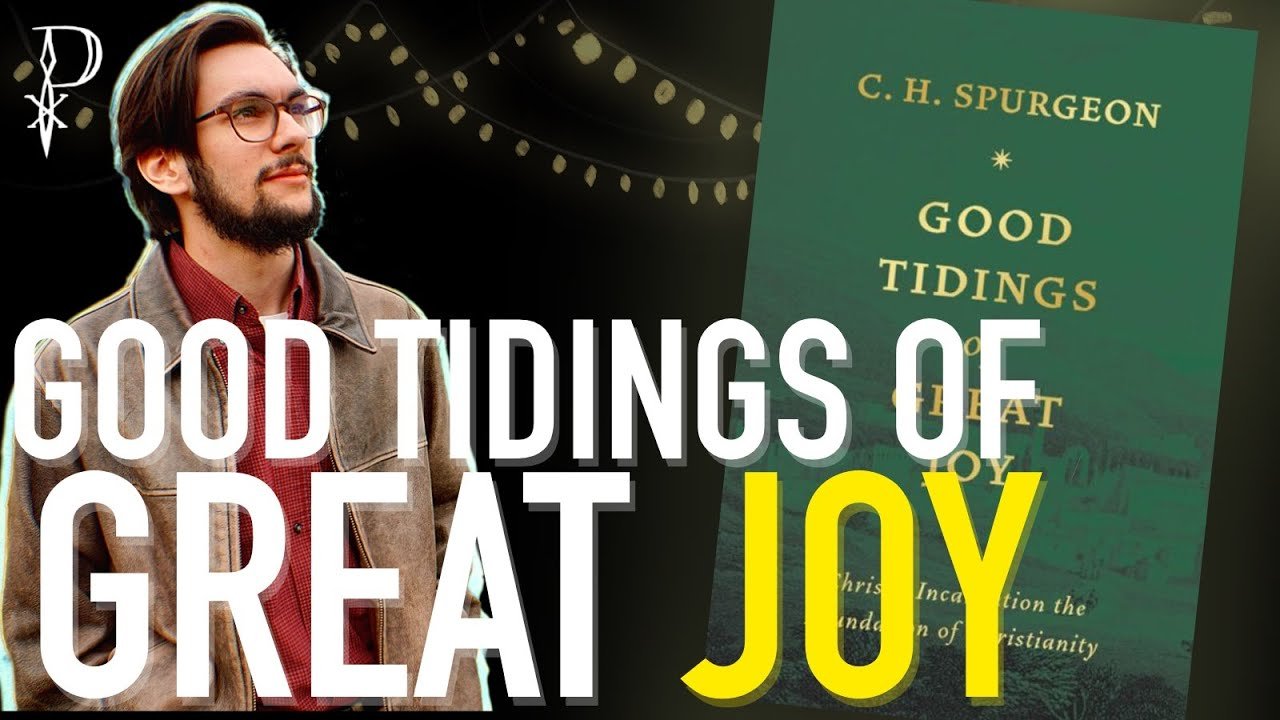
As Christmas draws near, I've been meditating on the meaning of Christmas. Why do we celebrate it? One book I've been using is Charles Spurgeon's Good Tidings of Great Joy: Christ's Incarnation, the Foundation of Christianity. It opens with three chapters I want to share with you.
Spurgeon starts with Luke 2, where the angels speak to the shepherds: "Suddenly there was with the angel a multitude of the heavenly host praising God, and saying, Glory to God in the highest, and on earth peace, good will toward men" (Luke 2:13–14). He splits that one phrase into three.
"Glory to God in the highest"
Chapter 1, "The Angels' Song: Its Opening Note." The lesson of this opening note, Spurgeon says, is that salvation is God's highest glory. God is glorified "in every dewdrop that twinkles in the morning sunshine," and he goes on with a long list of things in which God is glorified. But above all, He is glorified in salvation.
Then he invites us to stop: "Pause, reader, for a minute, and consider this great truth." See how every one of God's attributes is magnified here. What wisdom: the eternal becomes man so that God may be just and yet the justifier of him who believes in Jesus. What power. What love. What faithfulness.
"And on earth peace"
Chapter 2, "The Added Stanza." "Glory to God in the highest" was an old, old song to the angels. They had sung it before the foundation of the world. But now they sang it as if it were new, because they added a stanza: and on earth peace.
That peace isn't just peace from war, or peace in our world. Spurgeon calls it the sacred peace "between the soul pardoned and God the pardoner," the "at-one-ment between the guilty sinner and his righteous Judge." It's a peace with which we can come to God, know God, and have a relationship with Him.
"Good will toward men"
Chapter 3, "Its Final Note." No greater proof of kindness between the Creator and His creatures could be given than when He gives His only begotten, well-beloved Son to die in the place of guilty sinners. And Spurgeon writes:
Ye who doubt the love of God to guilty men, look away to that glorious circle of angels, see the blaze of glory lighting up the midnight sky, listen to their wondrous song, and let your doubts die in that sweet music, and be buried in a shroud of harmony.
So I'll leave you with the song one more time: Glory to God in the highest, and on earth peace, good will toward men. I hope this helps you reflect on Christmas and on Advent, as we remember the first coming of Christ and look forward to His second.
Soli Deo Gloria!